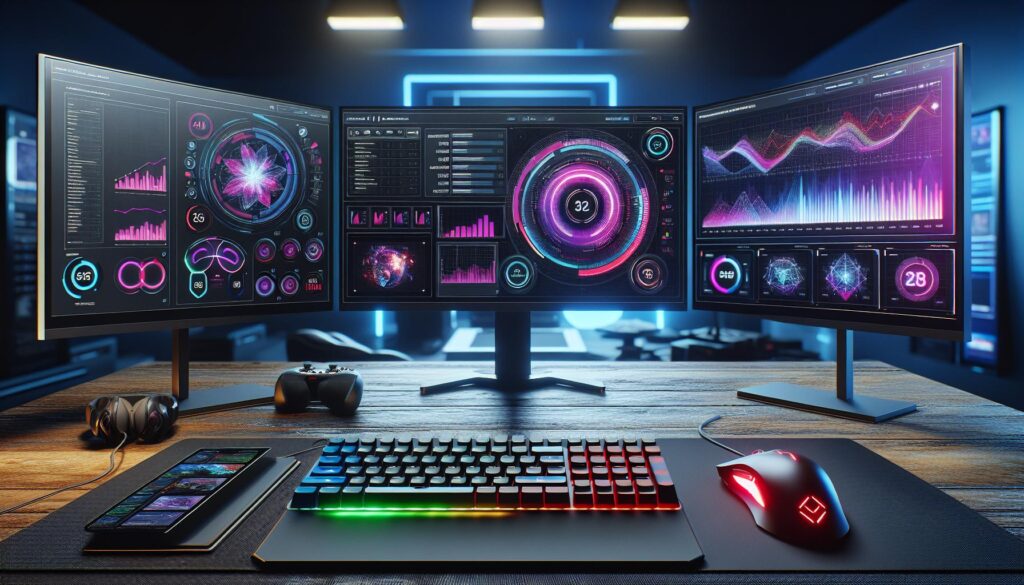
In today’s digital landscape, wireless headsets have become an essential peripheral for PC users, supporting a wide range of activities from gaming and entertainment to professional communication. As technology continues to advance, these devices have evolved beyond simple audio accessories into versatile tools that improve productivity, convenience, and user experience. If you’re looking to upgrade your audio setup, explore a wireless headset for PC that offers reliable connectivity, clear sound, and comfortable wear for extended use.
The Rise of Wireless Technology
The shift from wired to wireless technology has significantly changed how users interact with their devices. Traditional wired headsets often limited movement and created clutter, while wireless models introduced greater flexibility and convenience.
For PC users, wireless headsets provide the freedom to move without being restricted by cables. Whether used during competitive gaming, virtual meetings, or everyday entertainment, they allow users to maintain reliable audio connections while enjoying greater mobility.
Key Features of Modern Wireless Headsets
Improved Sound Quality
Early wireless headsets were often criticised for having weaker audio performance compared to wired alternatives. Advances in wireless transmission and audio technology have since improved sound quality, allowing modern models to deliver clear and immersive audio.
Many current headsets include features such as surround sound, noise isolation, and enhanced audio profiles that improve gaming, music, and communication experiences.
Longer Battery Life
Battery performance remains an important factor for wireless devices. Modern PC headsets now offer extended usage times, improved charging speeds, and more efficient power management. Many models can support hours of continuous use, making them suitable for long work sessions, gaming, and daily activities.
Reliable Connectivity and Compatibility
Wireless connectivity has become more stable through improvements in Bluetooth technology and dedicated USB wireless receivers. These advancements help reduce interruptions, improve signal strength, and provide a smoother user experience.
Many wireless headsets are also designed to work across various operating systems and devices, giving users greater flexibility when switching between platforms.
Comfort and Ergonomic Design
Since users often wear headsets for extended periods, comfort has become a key design priority. Manufacturers now focus on lightweight materials, adjustable headbands, and cushioned ear cups to reduce discomfort and fatigue during prolonged use.
Personalisation and Customisation
Modern wireless headsets often include software that allows users to customise their audio experience. Through dedicated applications, users can adjust equaliser settings, microphone levels, sound profiles, and lighting features to match their preferences.
Popular Uses of Wireless Headsets
Gaming
For gamers, wireless headsets provide an immersive audio experience and improve communication during gameplay. Features such as surround sound, low-latency connections, and high-quality microphones allow players to hear in-game details clearly and communicate effectively with teammates.
Remote Work
The growth of remote work has increased demand for dependable communication tools. Wireless headsets help professionals participate in online meetings with clearer audio while reducing background noise. Their convenience allows users to remain productive without being restricted by cables.
Innovations in Wireless Headset Technology
Manufacturers continue to introduce new technologies that expand the capabilities of wireless headsets. Some models now incorporate voice recognition, smart assistants, and advanced audio processing features, enabling more hands-free control and improved user interaction.
Future developments may also involve integration with augmented reality and extended reality platforms. As digital experiences become more interactive, wireless headsets could play a larger role in connecting users with immersive virtual environments.
Sustainable Development in Headset Production
Sustainability has become an important consideration in technology manufacturing. Some companies are incorporating recycled materials and improving energy efficiency in their products to reduce environmental impact.
These efforts reflect a growing focus on responsible production practices while meeting the needs of environmentally conscious consumers.
Choosing the Right Wireless Headset for PC Use
With many models available, selecting the right wireless headset depends on individual needs, budget, and intended use. Factors such as sound quality, battery life, comfort, connectivity options, and additional features should be considered before making a decision.
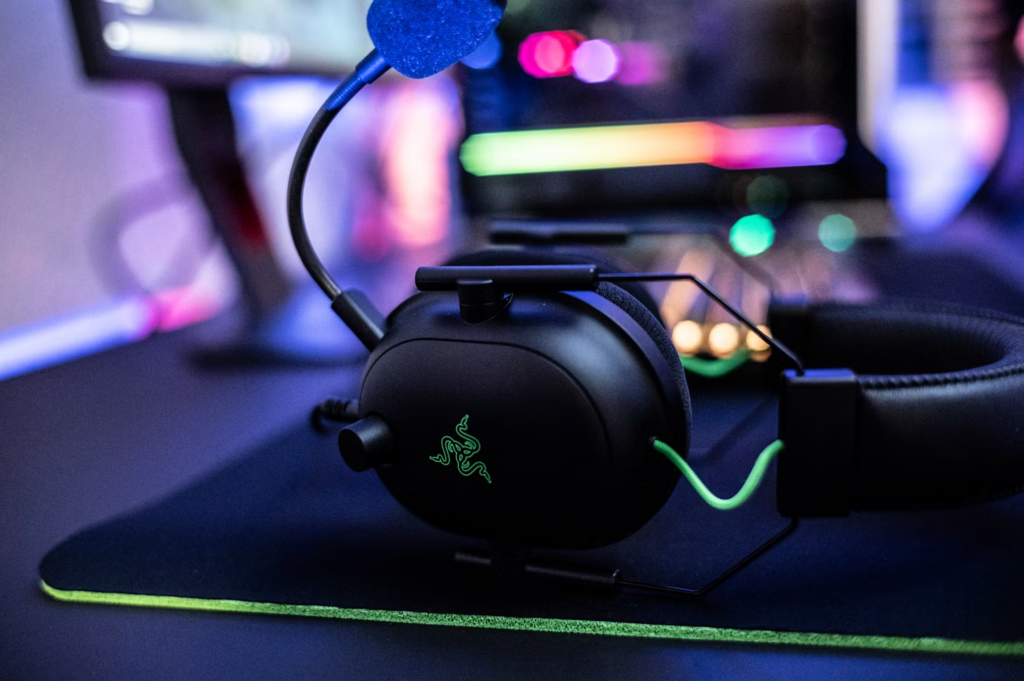
For users seeking advanced features and reliable performance, options such as the Razer wireless headset line represent one example of modern headset technology designed for gaming and professional use.
Future Trends
The future of wireless headsets is expected to be shaped by continued advancements in artificial intelligence, connectivity, and personalised audio experiences. AI-powered features may enable smarter noise cancellation, adaptive sound settings, and improved voice recognition.
Further improvements in wireless networks could also reduce latency and enhance performance, making wireless headsets even more capable for demanding applications.
Conclusion
Wireless headsets have developed from simple audio devices into essential tools for modern PC users. Through improvements in sound quality, connectivity, comfort, and intelligent features, they continue to enhance the way people work, communicate, and enjoy digital content. As technology progresses, wireless headsets are expected to remain a valuable part of the evolving PC experience.